

In today’s world of using data to make decisions, picking the right way to store data is super important for organizations. Even though data lakes and data warehouses might seem similar, they actually have different ways of storing and managing information.
Data lakes store original, unprocessed data, while data warehouses store organized and processed data. Imagine Data Lake as a big pond collecting water (data) from various rivers (sources) in its natural form and for Datawarehouse you can imagine a well-organized library where books (data) are carefully arranged on shelves for easy access.
When to Choose What?
How can you choose between them? Deciding between a data lake and a data warehouse depends on the kind of data you’re dealing with and your data strategy goals. Both Data Lakes and Data Warehouses have different use cases, we will discuss few of them here-
Data Lake
- Data Types – Data lakes are useful if you are dealing with a mix of text, images, videos, or logs, and need a flexible space for exploration. You can check out raw data in data lakes to find new patterns and insights because data lakes can hold different kinds of data, they act like a playground for trying out and exploring data.
- Disburden Data Warehousing: Organizations can use data lakes to keep raw data before turning it into a form that a data warehouse can understand. This makes the steps of collecting, changing, and loading data more efficient and affordable. This helps a lot when you are in development stage, and you can always go back to your raw data if anything goes wrong while curating it and loading.
- Real Time Data Analysis – Data lakes can manage data that’s coming in right now, letting businesses analyze and understand it as it happens. This is super helpful in fields like finance, where making quick decisions based on real-time information is really important.

Data Warehouse
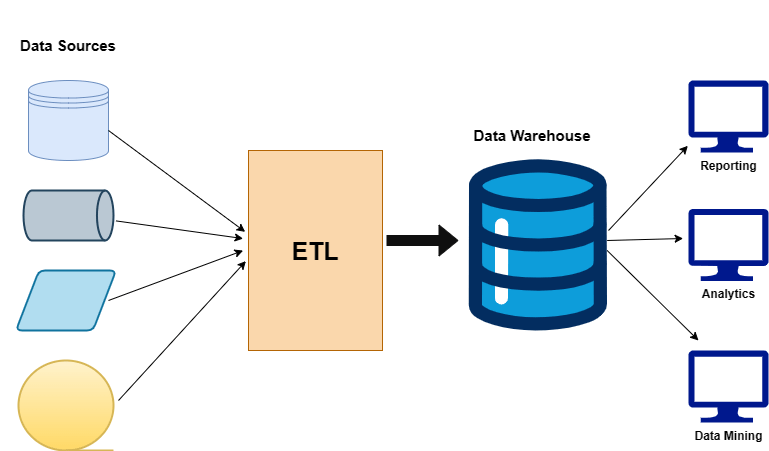
- Business Reports and Insights: Data warehouses are like a central hub where businesses keep all their organized data, both past, and present. This helps them create reports, see patterns, and understand how things are going. For example, you can use a data warehouse to analyze sales data from different stores and generate reports on the most popular products.
- Quick Access to data – Imagine you’re managing an online store, and during a busy sales day, you need quick insights on which products are selling the most. In this case you can quickly check your well-organized sales records to identify the top-selling items. This quick access to specific, structured information helps you make timely decisions, ensuring you meet customer demand and maximize sales during peak times.
- Analyzing Historical Trends -If you want to look at how things have changed over the years, using a Data Warehouse is perfect. It’s a bit like going through old records in a well-organized library to see patterns. This helps a lot in making smart decisions for the future because you get a good understanding of how your business has evolved over time. For example, checking past sales data trends can guide you in planning for future product launches.
Conclusion
You might have understood by now that there’s no clear “best option” when deciding between data lakes and data warehouses. It all comes down to what fits your goals, budget, and skills best. Whether it’s the flexible exploration of a data lake or the structured analysis of a data warehouse, the choice should align with what works best for your specific needs and resources. Remember, there’s no one-size-fits-all solution in the world of data storage!
 the glitch blog